

Winemaker and wine writer Chris Boiling takes us through three big trends for summer ’26
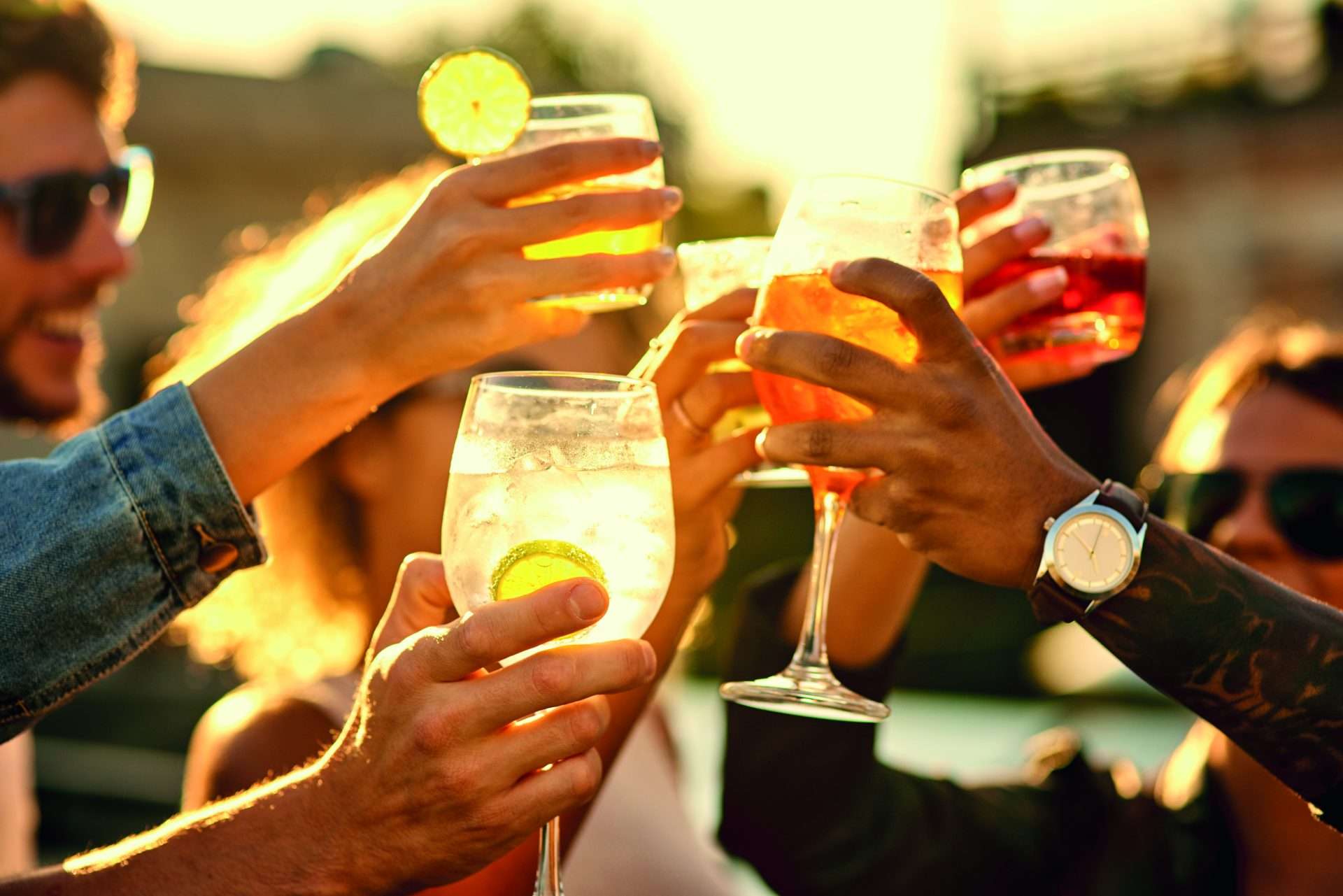
There’s something about summer that turns drinking into a ritual rather than a reflex. It’s not just about what’s in the glass – it’s the condensation on the outside, the late sunset, the real group chat and the long table laden with drinks.
But what will be on that table this summer? Probably a mix of the following: a chilled bottle of rosé, a cooler of canned cocktails and a few alcohol-free options. This mix reflects the new reality: what we’re sipping says a lot about how we want to feel. And that’s lighter, brighter, more social and a little more intentional.
“That really captures the mood of the moment,” confirms Ryan McFarland, chief commercial & strategy officer at Drinksology Kirker Greer. “Consumers are making more deliberate choices about what and how they drink, but they still want it to feel enjoyable and sociable rather than restrictive. Lighter, brighter serves like highballs and spritzes tap directly into that mindset, offering refreshment and balance while still delivering flavour and a sense of occasion.
They can also tick a lot of boxes in terms of moderation, versatility and simplicity, but still give retailers and brands the opportunity to premiumise through flavour and serve.”
Rosé – The reliable bestseller
If summer had an official colour, it would be pale pink. Rosé wine continues to anchor warm-weather drinking, especially in its palest, driest styles. Provençal-inspired rosés – crisp, citrusy and barely pink – remain the go-to for everything from rooftop aperitifs to beach picnics and barbecues. They hit the sweet spot modern drinkers love: refreshing, food-friendly and light enough for long afternoons.
Rosé wine comes into summer on a high – a rare bright spot in the cooling category of still wines. Although much of its recent sales growth has come through broadening its appeal as a year-round drink, it remains a summer staple.
This will continue as rosé aligns perfectly with modern drinking preferences. It’s refreshing but not bland, lower in alcohol than most reds and has bags of visual appeal (that signature pale pink still sells).
The rosé category, however, is still evolving in line with other summer trends.
The rise of rosé spritzes – topped with soda or tonic – mirrors the UK’s broader move toward moderation. It’s wine, but stretched for longer afternoons in the garden or park. Pepsico sees its potential to attract Millennial women and has launched a 4.5% abv Bubly Wine Refresher, which is made from rosé wine and sparkling water and comes in two flavours: Strawberry Peach and Blackberry Lemon.
Asti is trying to tap into the same market with its own aromatic, easy-to-drink, lower-alcohol pink fizz. The Consorzio Asti DOCG has added a rosé category to its production regulations, stating that Asti Rosé should comprise 70–90% Moscato and 10–30% Brachetto.
Low & no-alcohol rosés are also on the rise. Future Château, for example, has added a rosé to its range of low-abv red, white and sparkling wines. Founder Tom Benn says: “It’s a dry Pinot Noir blend (6g residual sugar) that’s naturally 6.5% abv thanks to careful vine management and post-fermentation winemaking.”
The rosé category is also at the forefront of format innovation – Barcelona Brands has put its rosé into a transparent PET can. CEO Christopher Heirwegh says: “When people see others enjoying a beautifully coloured premium rosé in a transparent can at a barbecue or summer party, they don’t just notice it, they want one too.”
The RTD boom
The humble can has had a serious upgrade. Ready-to-drink (RTD) cocktails – once associated with overly sweet, one-note flavours – have become one of the most dynamic parts of the alcohol market. Portable, affordable and consistent when it comes to taste, the category is expected to keep gaining share across most major markets this summer, because RTDs align perfectly with modern life.
What’s changed in the past few years is quality and style. Today’s RTDs often mimic bar classics: Margaritas with real citrus character, Vodka Lemonades that taste bright rather than syrupy and Cucumber-Mint Coolers that feel tailor-made for heatwaves. Tequila and agave-based options in particular are booming, riding the ongoing love affair with Margaritas and Palomas – a romance that is likely to flourish during this summer’s Men’s FIFA World Cup (with Mexico co-hosting alongside the US and Canada).
RTD cocktails are also an ideal fit for the rise of ‘lazy bartending’ – a trend that sees consumers opting for bar-quality drinks without the cost, skill or effort. So, for retailers and producers, RTDs offer hope and opportunities.
“For people who are curious about entering [new categories like] the non-alcohol space, RTDs are a great entry point,” confirms David Gimpelson, CEO of Lyre’s, a leader in alcohol-free spirits.
Low & no – A cross category trend
One of the biggest undercurrents shaping summer drinking is the desire to pace and eke out drinking sessions. Low & no cocktails, spritzes and wines are flourishing because they let people stay in the moment without burning out early. It’s less about abstaining and more about stretching the experience.
This shift shows up in diluted serves (more ice, more soda), wine-based cocktails and drinks built around aromatics, herbs and fruit rather than pure alcohol intensity. Socialising is still central, but the hangover is no longer part of the price.
The result is that the low & no category is moving from niche to mainstream. Ordering an alcohol-free gin, wine or beer no longer provokes ridicule. As we have seen, zebra striping (switching between alcoholic and non-alcoholic drinks on the same occasion) has become one of the most talked-about trends of the year.
Until now, the challenge has been working on quality and convincing consumers to try the products. Going forward, it’s going to be about brands. Brand loyalty in this category is currently low. Guinness 0.0, Heineken 0.0, Lucky Saint and Athletic Brewing are more widely known than most, while challenger brands Leitz, Giesen, Seedlip, Clean Co and Lyre’s are increasingly cropping up in searches online.
Filling the brand gap are celebrities. Elton John, Katy Perry and Lewis Hamilton have now been joined by George Clooney and his Casamigos co-founders, who have launched Crazy Mountain in the US – a new non-alcoholic brew that “celebrates adventure, freedom and grit, without the hangover”.
Sessionable styles
Alcohol-free beer is growing so quickly it has been added to the UK’s official inflation basket. Chris Mitchell, marketing manager at Vocation Brewery, sums up the appeal: “What we’re seeing is a clear shift toward more intentional drinking, with consumers seeking out beers that are lighter, more refreshing and suited to longer, more social occasions. Sessionable styles are particularly strong, but there’s also real appetite for discovery, with shoppers looking for flavourful, distinctive options.”
Cidermakers are following a similar path. Stowford Press, for example, is launching a new Sweet Apple variant to tap into growing demand for moderation. With lower-abv options – typically fruit ciders – now accounting for a third of cider sales, the launch fills a gap for a more sessionable apple cider.
Sally McKinnon, head of marketing & strategy at parent company Westons Cider, comments: “With around 90% of UK drinkers moderating their alcohol consumption in some way, there is a clear opportunity for retailers to tap into this demand.”
Non-alcoholic wine has struggled for approval but, slowly, producers are improving their techniques. UK-based low & no wine producer Bolle is using Chardonnay grapes from Burgundy and fermenting them again with fresh juice after the dealcoholisation process. The company says this rebuilds body and complexity without the need for added sugar, glycerine, flavourings or aromas. It is hoping it will take sales from last year’s 50,000 bottles to 500,000 by 2027.
Meanwhile, Chile’s Morandé Wine Group has taken on the challenge of producing an alcohol-free red blend. José Ignacio Bascuñán, export director for Europe, says: “With HAX Zero, we are bringing a serious winemaking approach to this space – offering a credible, high-quality alternative that enables retailers to meet evolving demand without compromising on the wine experience.”
While the alcohol-free producers are still trying to find a way to preserve terroir, taste and experience without alcohol, low-abv alternatives are taking off in the slipstream. Alongside established producers promoting white wines around 9–10%, new brands – such as Future Château and 6 Percent Wine – are emerging. Gabriella Lamb, co-founder of 6 Percent, says: “Forty-one per cent of moderate drinkers say they would consider mid-strength options for weekday after-work occasions.”
The market is rebalancing. While traditional categories such as wine and spirits are struggling, RTDs and low & no offer opportunities. This is especially true during the summer, when consumers are more open to experimentation and new habits take hold.
