

Chris Boiling reports on the arrival of 13 disease-resistant grape varieties in New Zealand after conversations with Jim White at Cloudy Bay, Swiss breeder Valentin Blattner and nursery specialists revealed how the country is increasingly looking to PIWI grapes as part of a more sustainable future
Thirteen new grape varieties are in quarantine in a nursery in New Zealand, including one that was sent packing in the 1990s. You probably haven’t heard of any of them.
They are all no/low-spray, disease-resistant varieties (known as PIWIs or DRVs specifically in New Zealand). “Grapes of the future,” according to some.
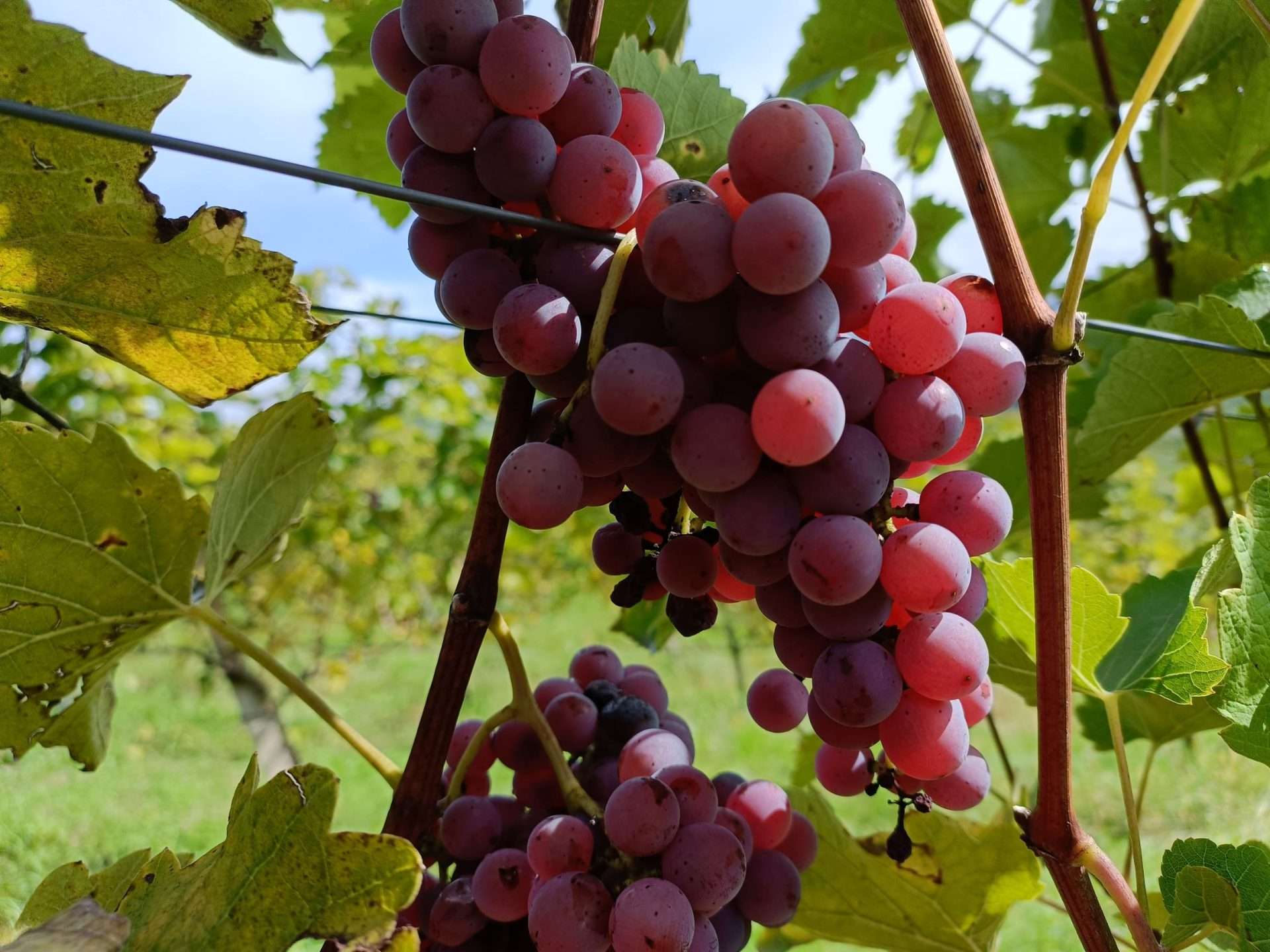
Three could become more sustainable substitutes for Sauvignon Blanc (Sauvignon Nepis, Sauvignon Rytos, and Sauvignac). Three could be used for more sustainable sparkling wines: the Pinot Noir-ish Pinot Kors, Pinot Blanc-like Pinot Iskra and Voltis – the first disease-resistant grape allowed in a French appellation, Champagne. Another is the versatile flagship of fungal-resistant grapes, Souvignier Gris (pictured).
But, most surprisingly, the grapes in quarantine also include Cabernet Blanc.
Cabernet Blanc is usually listed as a Swiss creation, but it began life in New Zealand and has now returned home. It was bred in New Zealand by prolific Swiss grape-breeder Valentin Blattner when he was working there in the 1980s. But there was no interest in this crossing of Cabernet Sauvignon and (most probably) Regent then, so Blattner took his creation with him when he went back to Europe.
“I know of many producers in the Rheingau and Pfalz producing wines with it today,” said Jim White, Cloudy Bay’s technical and sustainable development director. “I’ve tasted a couple of good examples when Valentin visited New Zealand in 2024. Apparently, there are no vines still planted in New Zealand, but it is included in the new imports. Perhaps, it may find a home here 40 years after it was created.”
Sam Doncaster, who works at vine nursery Rebschule Freytag in Germany’s Pfalz region and was involved in the naming of Cabernet Blanc, explained why it is special.
“There are very few white Cabernets. This is because the white gene in Cabernet is recessive and it very rarely shows in a breeding programme. This white gene is associated with Cabernet Sauvignon – a natural occurring cross between Cabernet Franc and Sauvignon Blanc – as the gene that carries the Sauvignon characteristics. It’s very desirable and very difficult to replicate. Thus VB 91-26-1 (Cabernet Blanc’s original breeding designation) was a complete freak event, as were the other VB 91-26-siblings (such as Satin Noir, Pinotin and Cabernet/Cabaret Noir),” he said.
For many growers, these new varieties promise simple benefits, which Blattner sums up in five words: “Sustainability and lower production costs.”
Far fewer sprays of toxic copper and sulphur mean lower environmental impact, lower costs, and a better chance of reliable yields as weather patterns shift.
The disease-resistant vines currently imported by Riversun and in quarantine will probably be planted in four or five trial plots in spring (October) 2027 to assess their potential in a range of terroirs. The first micro-vinifications are likely to come from the 2030 vintage.
Cloudy Bay will host one of these trial plots in Marlborough and possibly one in Central Otago, White said.
