

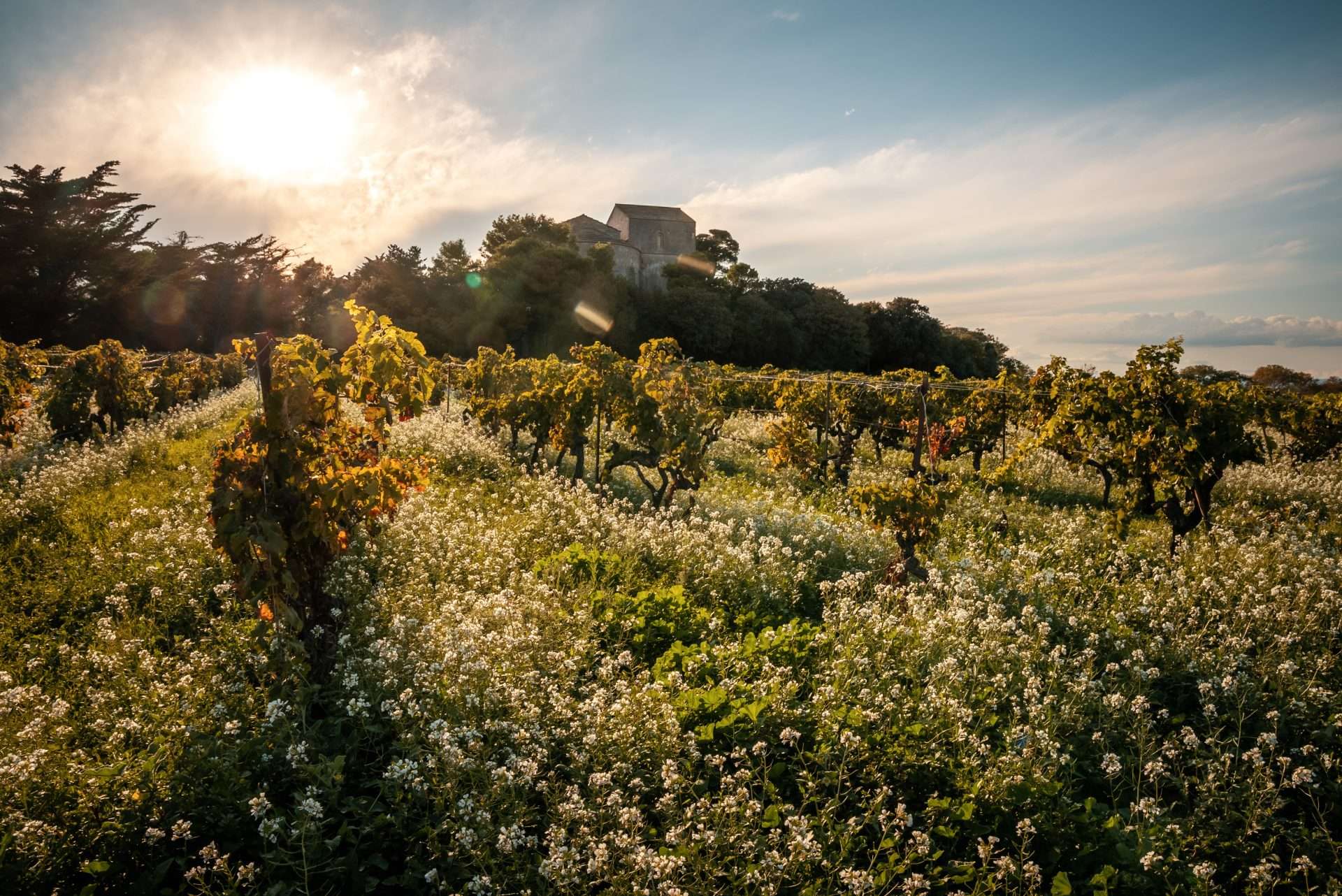
After a long, dry summer, the Languedoc harvest has drawn to a close, with early reports pointing to healthy, expressive fruit.
Representatives from the wine region said abundant rainfall over the winter of 2025–26 replenished soil water reserves, helping vineyards withstand extreme summer heat, with temperatures regularly exceeding 40°C.
As in the rest of France, the summer drought demanded constant observation and adaptation from winegrowers, with some late-August rain providing welcome relief.
Despite the challenging conditions, early reports from the region’s appellations point to good grape health. White grapes were described as “delivering outstanding quality with fresh, balanced and aromatic juice”.
The rosés have also retained their aromatic character. Meanwhile, the professional organisation representing Languedoc described the first tanks of red wine as particularly promising, with grapes having achieved “superb” ripeness.
Languedoc appellations
Vignobles du Languedoc reported that grapes from the Saint-Chinian appellation had achieved the desired phenolic ripeness despite prolonged drought.
In Faugères, grape quality was also reported to be strong, with well-replenished soil water reserves helping vines through the summer.
Similarly, in Boutenac, Grenache, Mourvèdre and Carignan vines benefited from the favourable winter conditions, helping to support the crop.
On the harvest, Pierre Bories, chairman of the Conseil Interprofessionnel des Vins du Languedoc, said: “2026 is a ‘winegrowers’ vintage’. Faced with challenging climatic conditions, winegrowers stayed one step ahead of potential problems, adapting their practices and making highly nuanced decisions at every stage.
“The first grapes harvested reveal great expression, freshness and concentration, suggesting wines full of character. This is another of Languedoc’s strengths: its ability to work with the climate and diverse terroirs to produce fine wines that fully express their origins.”
