

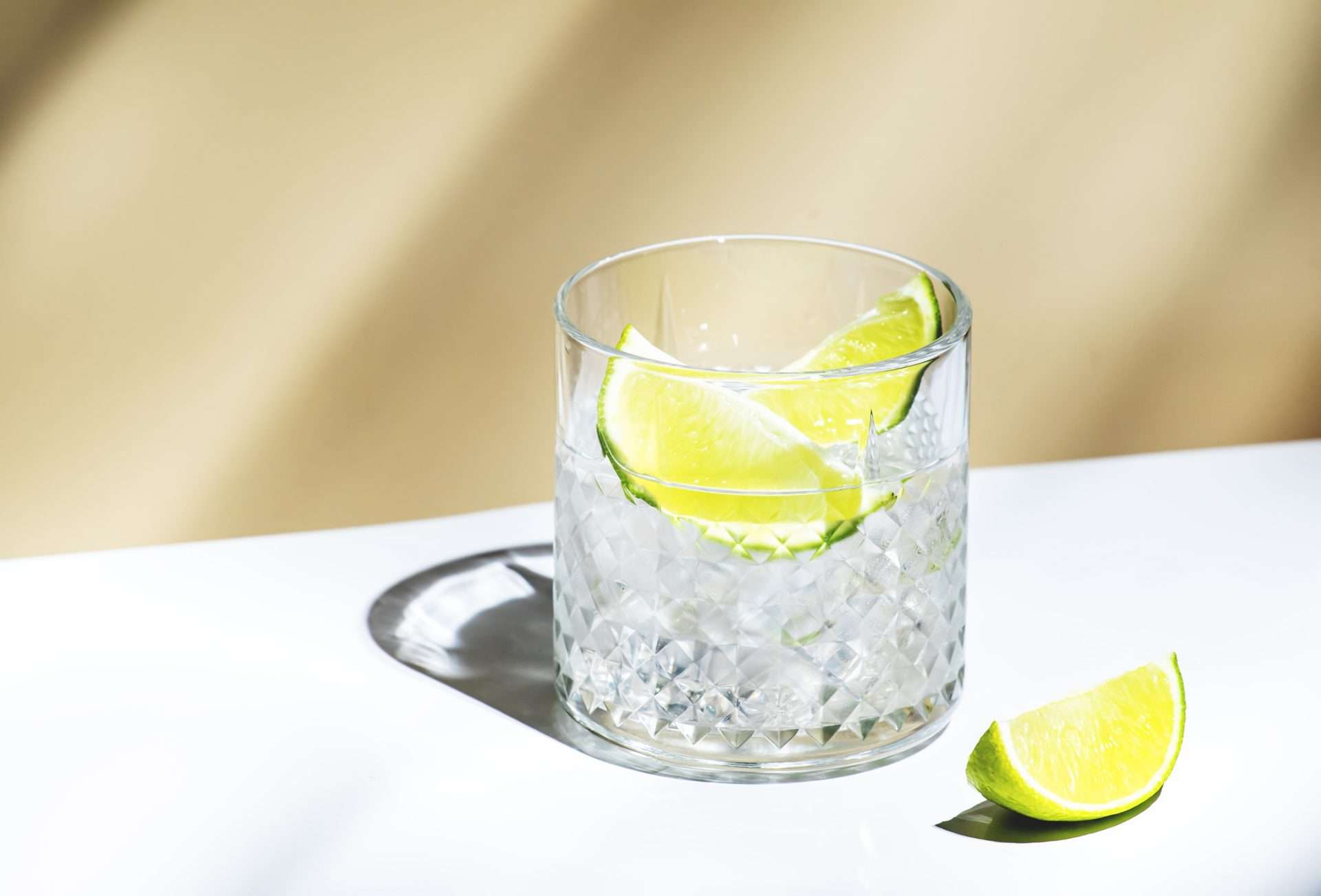
Following its wild-child foray into crazy flavours, gin has woken up and smelt the juniper, ready to face a new dawn
Gin is in the middle of a particularly tenacious hangover and, like most hangovers, it has been largely self-inflicted. However, instead of tequila shots and those Marlboros you nicked off your friend in your 20s, it was novelty packaging and zany botanicals that did the damage. For a while it seemed that if you set down an Alka-Seltzer and looked away, you’d come back to find it had become the unique ingredient in some contract-distilled gin that tasted like medicine for children.
Yet the pricing, mysteriously, held up: gin was the last word in premiumisation, which began with Bombay Sapphire, moved through Hendrick’s and Sipsmith, and ended with Procera.
The category’s rising tide even lifted one of the most unlikely drinks heroes of the 2010s, Fever-Tree, whose Tube ads told Londoners: “If three-quarters of your drink is the mixer, mix with the best”. A brilliant campaign with one flaw – if three-quarters of your G&T is the tonic, you’re making it wrong.
Yet almost none of the super-premium gin that crowned the off trade category ever made it into a cocktail shaker. It never saw a bottle of dry vermouth or found itself skewered by fat green olives – or spritzed with the oil of a Mediterranean lemon either. It didn’t matter. The British were happy to pay £50 for a bottle and mix it with flat tonic loaded with tongue-coating aspartame, before pouring it over three novelty ice cubes from a Christmas tree-shaped silicone mould.
Botanical innovation continued with the determination of a drug addict clearing out a caravan. Old tea? Miso? Mince pies? Salted caramel? What about these old daffodils – can we use them? “What’s that, dear? You found a Victorian recipe in the attic that calls for opium as a key botanical? Fancy that!” These were the gin boom’s last gasps: the final, decadent orgies of brand managers selling a category down the sink. There was pink gin, honeycomb gin, sparkly gin. Such launches were tactically successful, but unstrategic.
As seems appropriate with too much gin, it ended in tears. Sales dropped in double digits from 2022 to 2024, including some of the biggest falls in the off-trade. Flavoured gins (gin is flavoured, dammit) have fallen even harder.
But more than any other spirit, gin has its purists – knights-vigilant in the defence of juniper, coriander seed, citrus, angelica and orris. They stayed loyal to Tanqueray (despite the bitter loss of the 47.3% expression), Plymouth and Beefeater, Jensen’s and Hayman’s. These are the brands that must save gin and find it a new audience, even if it is a smaller one. It may never again enjoy the heady successes of the 2010s, but as a great British drink, gin can be salvaged for those of us who care about it. The restoration underway today is rehabilitating gin not through the G&T but the Martini, a cocktail that is to gin what the piano was to Chopin. The trend in bars to return to foundational cocktails based on house spirits and solid bartending (not ‘mixology’) is exactly what gin needs now.
Yes, gin is bouncing back. It regrets any embarrassment caused by its recent decision to disappear down a product development k-hole. That was Friday night in a slippery club in Vauxhall and, well, it’s Sunday now, Monday tomorrow. Since then, gin has had a bath, got a haircut, polished its shoes and had a couple of nights off the sauce. It’s ready for a fresh start.
